
What Is Your Organisation's Health Score?
Why workforce health intelligence is becoming the next essential workplace metric - and how workplace screening, telemedicine, Smart Health Reports and aggregated insights make employee wellbeing measurable.
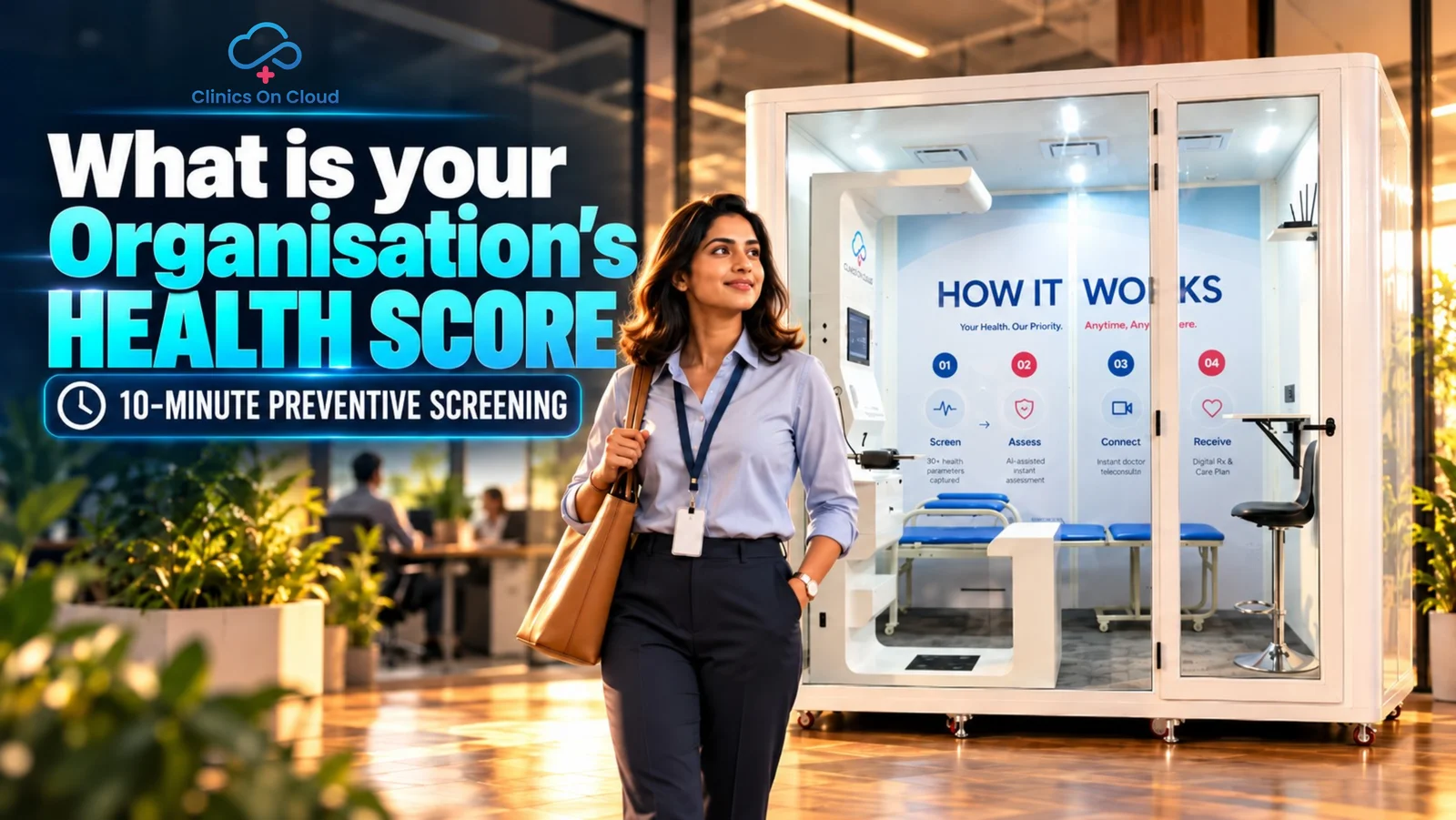
Good organisations measure performance. Great workplaces measure performance and wellbeing.
Every organisation knows its revenue, productivity, attrition and engagement score. But how many truly understand the health of their workforce?
Employee wellbeing has traditionally been treated as a programme: an annual health check, a wellness week, a fitness challenge or an insurance benefit. The problem is that programmes are episodic. Health is continuous.
Clinics On Cloud helps organisations move employee health from an annual initiative to something more measurable, accessible and actionable - through preventive health screening at the workplace, telemedicine, Smart Health Reports and privacy-conscious aggregated workforce health intelligence.
The result is a different way of looking at corporate wellness: not simply as an employee benefit, but as an operational health metric that can help organisations understand where risks are emerging and where support may be needed.
What is an organisation health score?
An organisation health score is a practical way of understanding the overall health profile of a workforce using aggregated, privacy-conscious health indicators rather than relying only on participation in wellness activities.
It can bring together trends from workplace screenings across parameters such as blood pressure, blood glucose, BMI, body composition, cardiac indicators and other preventive health measurements, depending on the programme configuration.
The purpose is not to expose individual employee medical data to employers. The purpose is to help leadership understand population-level patterns so that workplace health programmes can be designed around real needs.
Why employee wellbeing should become a measurable workplace metric
Organisations already measure what they consider strategically important. Revenue is measured. Productivity is measured. Attrition is measured. Engagement is measured.
Yet workforce health can directly influence energy, concentration, absenteeism, presenteeism, long-term medical risk and the overall employee experience. If wellbeing remains unmeasured, leaders may only discover health problems after they begin affecting individuals and the organisation.
A more data-informed approach enables organisations to move from reactive wellness to preventive workforce health management.
How Clinics On Cloud enables workplace preventive healthcare
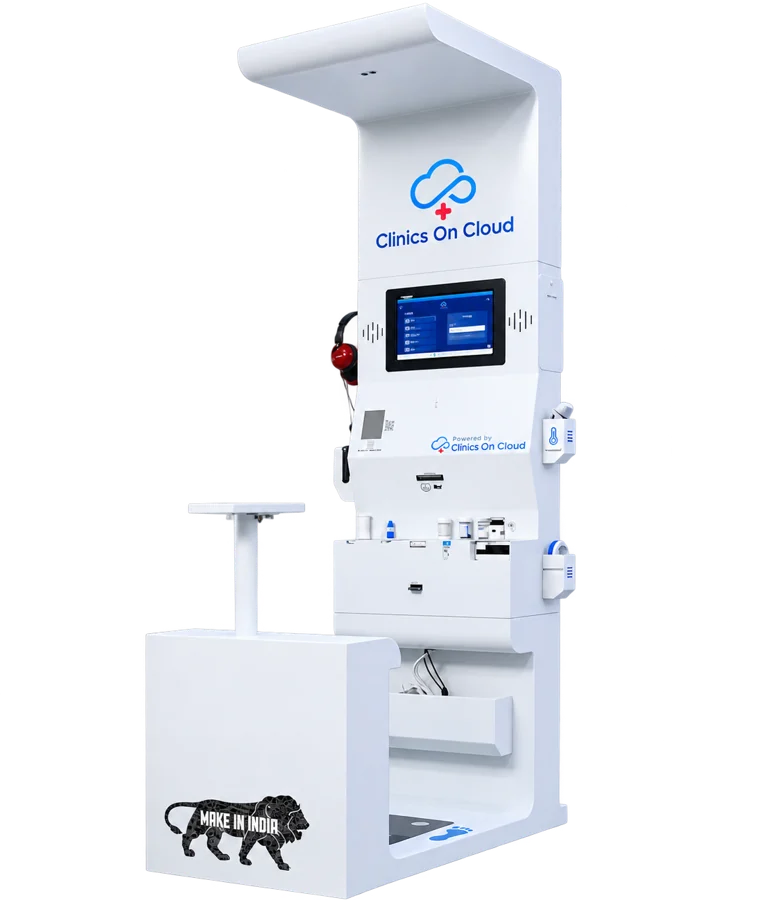
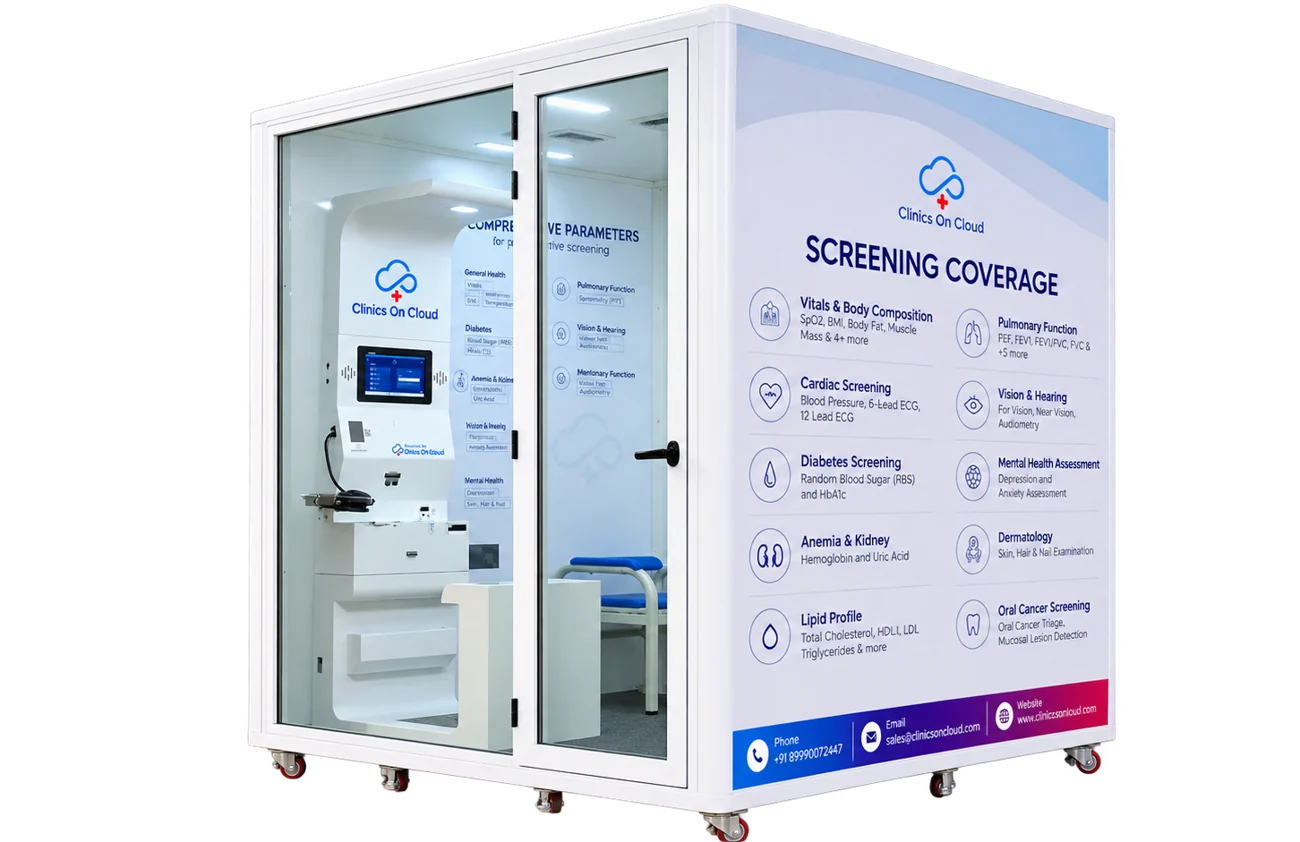
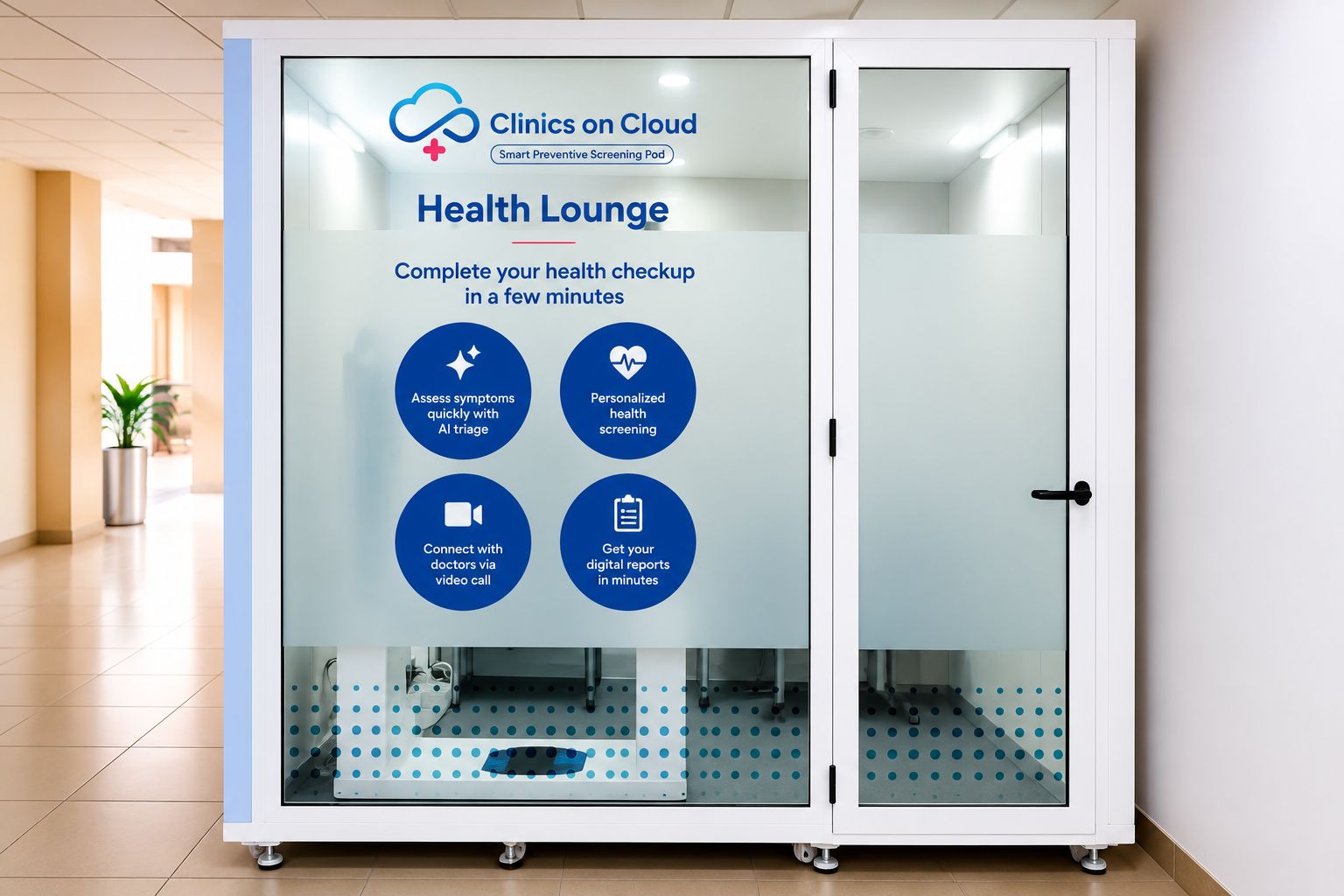
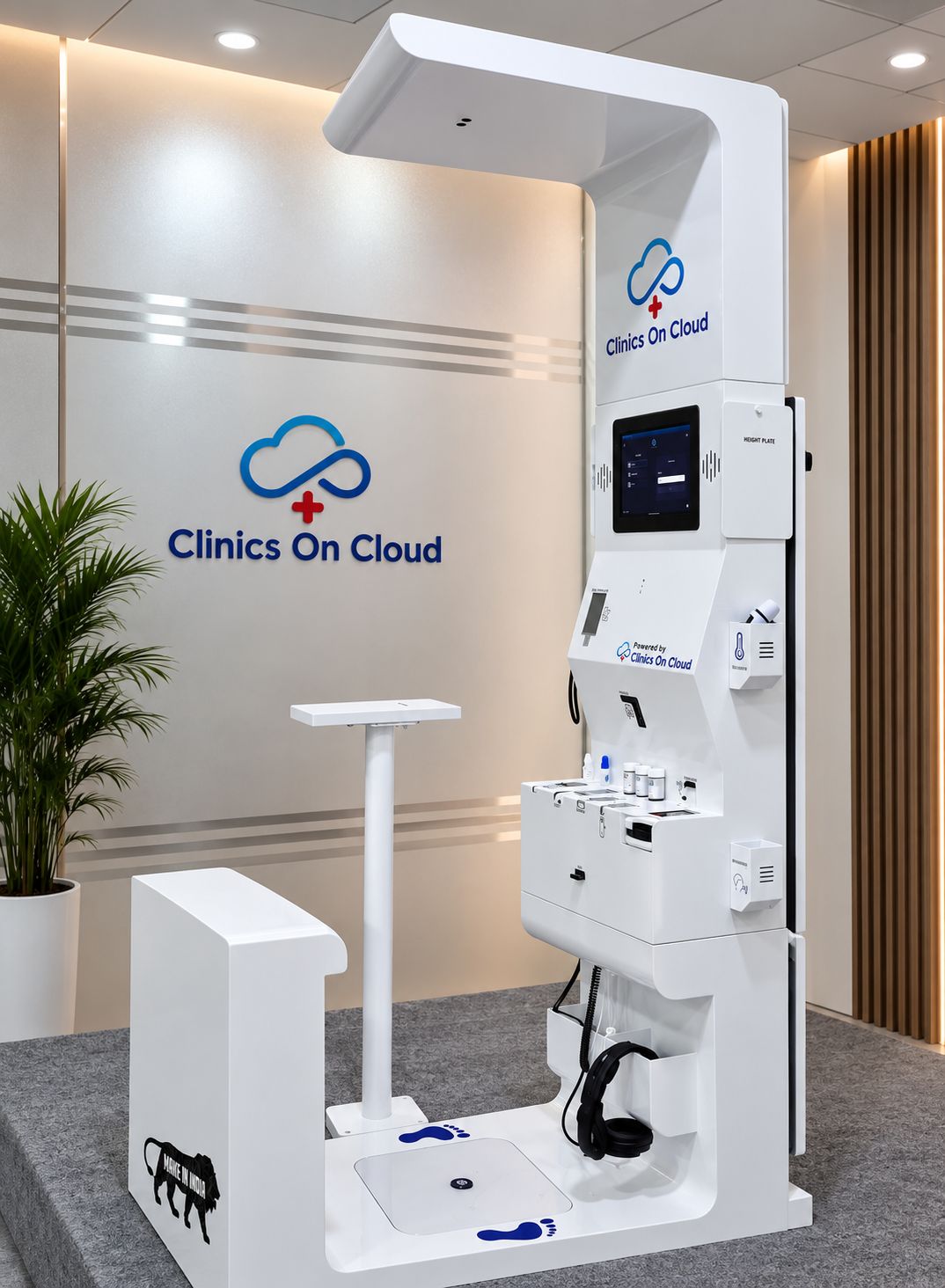
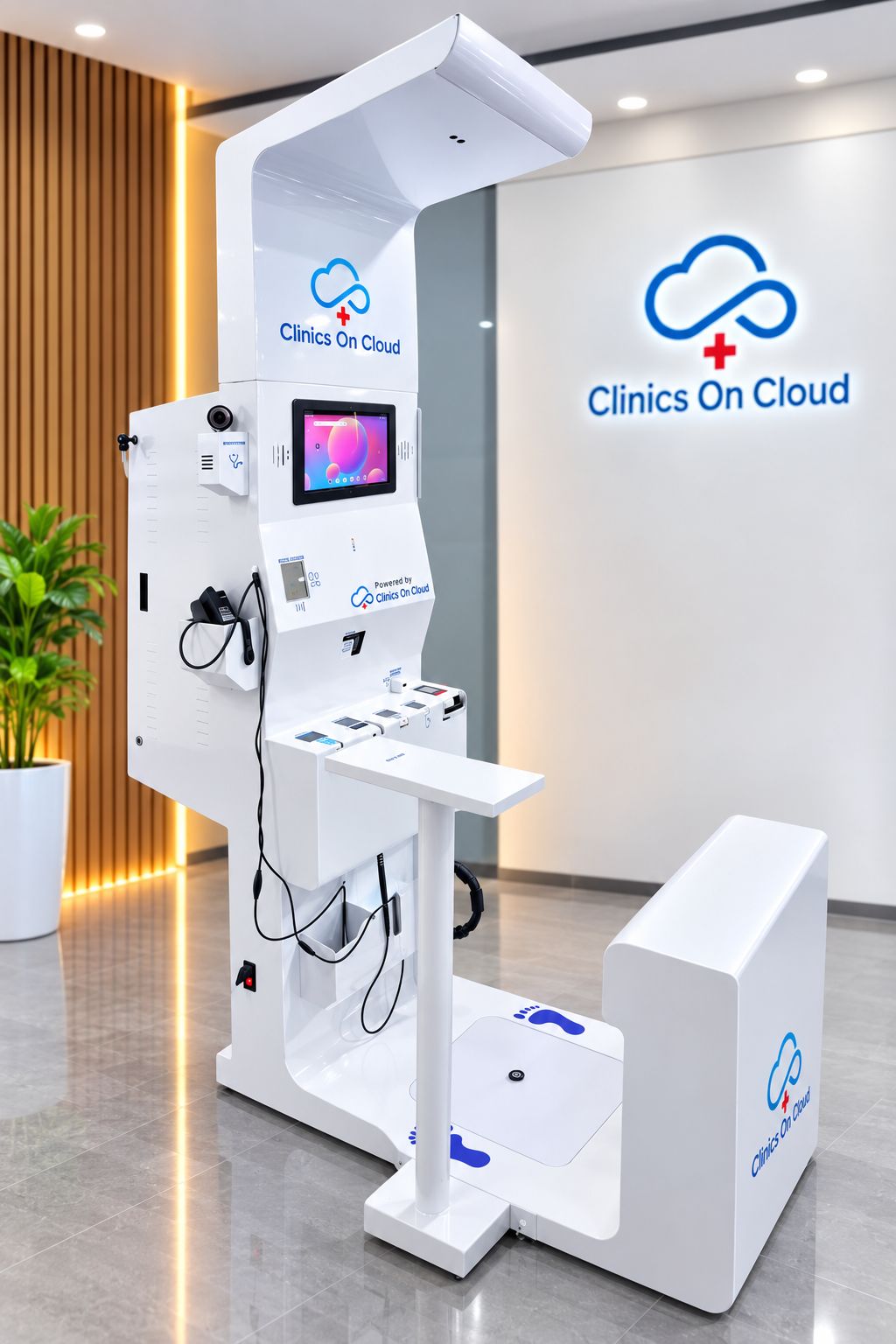
Clinics On Cloud can create on-site healthcare access through connected solutions such as Health Kiosks and Health ATMs and Health Lounges, allowing employees to undergo routine preventive screening where they work.
1. Preventive health screening at the workplace
Employees can access routine health screening without having to leave the workplace for every basic check. Depending on configuration, screening can include vitals, body composition, blood parameters, ECG, pulmonary function and other preventive health indicators.
2. Smart Health Reports for employees
Screening results can be consolidated into digital health reports that help employees better understand their own health information and identify areas that may require follow-up.
3. Telemedicine and doctor consultation
Where appropriate, employees can connect with healthcare professionals through telemedicine, creating a more connected journey from screening to medical guidance.
4. Aggregated workforce health intelligence
For organisations, privacy-conscious aggregated data can help reveal health trends across offices, factories, teams or locations without turning individual employee health information into an employer-facing record.
What can workforce health analytics help organisations understand?
When screening programmes are implemented consistently across a workforce, aggregated health intelligence can help leaders understand patterns that are difficult to see through one-time health camps:
This allows workplace health programmes to become more targeted. Instead of launching generic wellness initiatives for everyone, organisations can focus resources around actual patterns.
From annual health camp to continuous workplace healthcare
Traditional corporate health camps are useful, but they are often periodic. Employees are screened once, reports are generated, and the programme may not be repeated for months.
A permanent or recurring on-site preventive healthcare model changes that. Employees can access screening more conveniently, organisations can encourage periodic monitoring, and health information can be viewed longitudinally at an aggregated level. This transforms the workplace health model from an event into infrastructure.
Why workplace healthcare access matters
One of the biggest barriers to preventive healthcare is inconvenience. Employees may postpone routine screening because it requires travel, appointments or time away from work.
By bringing health screening closer to employees, organisations reduce that friction. The workplace becomes a practical access point for preventive healthcare rather than simply a place where health benefits are communicated.
How can corporate health intelligence support HR and leadership?
HR leaders and business leaders do not need individual medical records to make better workforce-health decisions. What they need is a reliable view of population-level trends.
For example, aggregated insights may indicate that a particular location has a higher proportion of employees with elevated blood pressure, obesity risk or poor metabolic health. That can guide targeted awareness programmes, nutrition interventions, fitness initiatives or medical follow-up campaigns.
The goal is to turn employee wellbeing into a measurable management input while maintaining appropriate privacy and access controls.
Can workplace health data remain private?
Yes. Any responsible corporate health programme should be designed around consent, confidentiality, role-based access and applicable privacy requirements.
Employees should retain access to their individual health reports, while organisation-level dashboards should focus on aggregated and privacy-conscious trends rather than exposing personal medical information.
Which organisations can benefit from workplace health intelligence?
The model is especially relevant for organisations with distributed or large workforces where healthcare access and health visibility can vary significantly across locations - see the use cases we deploy for:
What is the difference between corporate wellness and corporate health intelligence?
Corporate wellness usually refers to programmes designed to improve employee wellbeing - such as health checks, fitness activities, counselling, nutrition initiatives or insurance-linked wellness.
Corporate health intelligence goes one step further. It uses aggregated health information to understand workforce-level patterns, measure change and guide decisions.
In simple terms: corporate wellness delivers interventions; corporate health intelligence helps organisations understand where those interventions are needed and whether they are working.
Why this matters for the future of work
The future of employee wellbeing will increasingly be defined by accessibility, personalisation and measurement. Organisations that know only how well their people are performing have an incomplete picture. The next generation of great workplaces will also understand how well their people are.
This creates a shift from wellbeing as a soft initiative to wellbeing as a strategic operating metric.
What is your organisation's health score?
If your organisation already measures revenue, engagement, productivity and attrition, workforce health may be the next important metric to understand.
Clinics On Cloud helps organisations create accessible workplace preventive healthcare through connected screening, Smart Health Reports, telemedicine and privacy-conscious population-level health insights - the way organisations in our client list already do.
Because a great workplace shouldn't just know how well its people are performing. It should know how well its people are. So, what is your organisation's health score? Let's start measuring what matters.
 Health Lounge · 29 September 2026Health Pods for Offices, Campuses and Public Spaces: A Buyer's Guide
 Health ATM · 29 September 2026Inside an AI Doctor Clinic: How AI and Real Doctors Share a 10-Minute Visit
 Health ATM · 29 September 2026Can an AI Doctor Replace Your Doctor? What AI Does and Doesn't Do